Refurbishment & Repair Of High Voltage Overhead Power Line Structures
Client: City Of Cape Town Metropolitan Municipality
Consulting Engineers: N/A – Design & Construct Term Tender
Subcontractor: Smart Civils
Duration: 4 Years
Contract Value: R50 million
Project Overview
The City of Cape Town’s ageing high voltage overhead lines and supporting structures are undergoing a major refurbishment to address long-term wear and localised structural instability.
The project, delivered through a joint venture between SMART Civils Construction and Adenco Construction, (as a Term Tender) was focused on replacing severely deteriorated towers with new structural sections and individual steel members. Repairs and upgrades to structure foundations were carried out to restore durability and ensure long-term structural stability of the network.
This essential refurbishment will extend the service life of the infrastructure, strengthen the reliability of electricity supply, and support the City of Cape Town in maintaining critical power distribution for residents and businesses.
Scope of Work
The project scope focused on restoring and strengthening the City of Cape Town’s ageing 132kV overhead line network. Key activities included:
Structure Investigations and Identification Developing an inspection and reporting system to assess the condition of overhead structures and identify members or sections requiring replacement or repair.
Structural Steel Replacement Fabricating and replacing deteriorated tower sections (Waist, Arms, and Peak) and individual steel members to ensure structural integrity.
Tower Base Repairs and Refurbishment Stripping coatings, cleaning, and applying a protective three-layer coating system to prevent corrosion, while upgrading safety features such as razor wire and earthing wires.
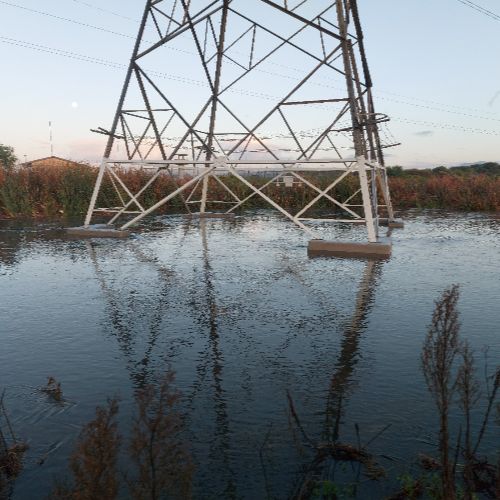
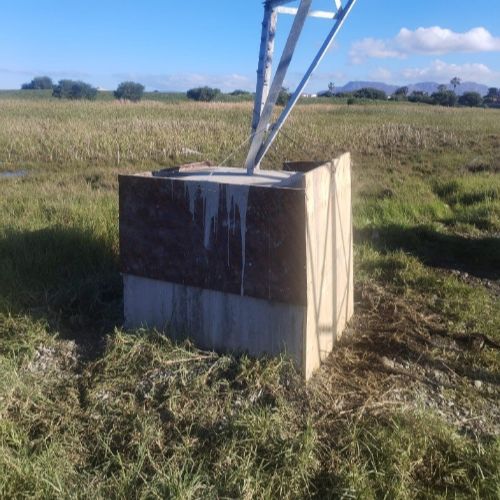
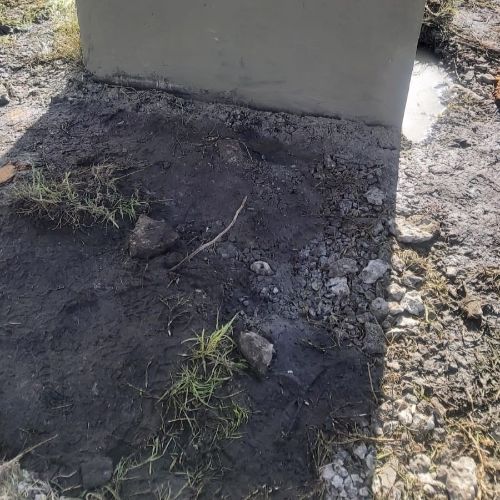
Concrete Footing Repairs and Upgrades Restoring foundations through cutting back damaged areas, repairing and coating reinforcing steel, applying high-performance mortars, and enlarging foundations in flood-prone areas for added protection.
Project Challenges
Delivering a refurbishment of this scale came with several significant challenges, each requiring innovative solutions and careful planning from the SMART Civils team and its partners:
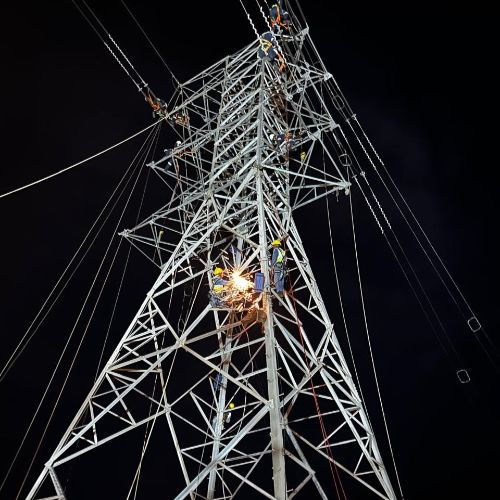
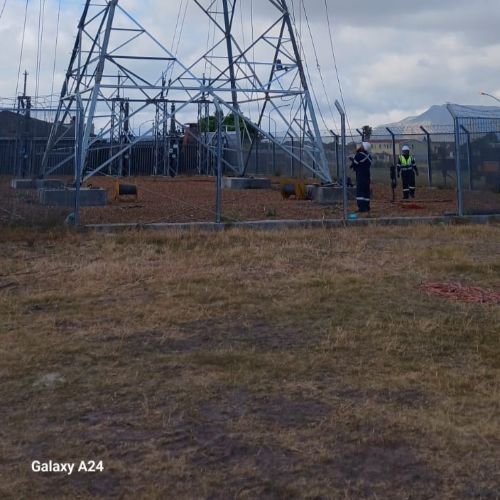
Absence of Original Structure Drawings With many of the original tower drawings unavailable, identifying members for replacement was often complex. SMART Civils overcame this by physically accessing the structures - sometimes up to 30 metres high—to take precise measurements and conduct detailed on-site investigations. These efforts ensured that accurate replacement components could be manufactured and installed.
Weather-Dependent Operations Given the heights involved, safe execution of replacements and section lifts relied heavily on favourable weather conditions. Wind and poor visibility presented risks, making sunny and calm weather essential for progressing with the most critical tasks.
Grid Outage and Switching Constraints In the context of South Africa’s heavily strained electrical grid, temporary outages for works were limited and difficult to secure. This often meant structural replacements had to be carried out within very tight, carefully coordinated time windows, demanding efficiency and precision from all teams involved.
Structure Location and Access Challenges Accessing towers was another considerable challenge. Many maintenance roads were in poor condition, making transportation of heavy equipment and lifting plant difficult. In several cases, towers were located within informal settlements, further complicating logistics and requiring sensitive coordination to ensure safe and efficient site access.
Execution Highlights
Structure Investigations and Identification SMART Civils developed and implemented a detailed inspection and reporting system to assess the condition of high-voltage overhead structures. Multiple towers were carefully investigated to identify structure types and determine which members or sections required full replacement or selective repair. With original drawings often unavailable, teams accessed structures up to 30m high to take measurements and prepare fabrication details.
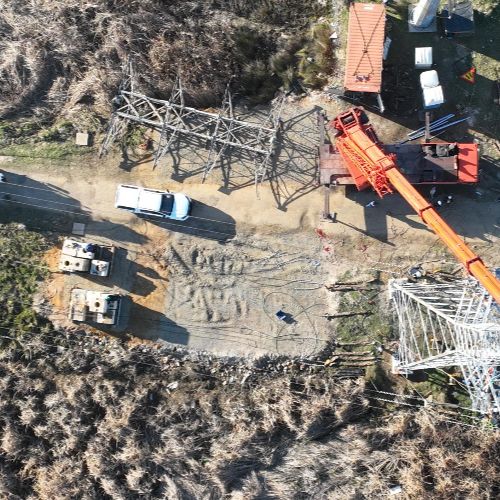
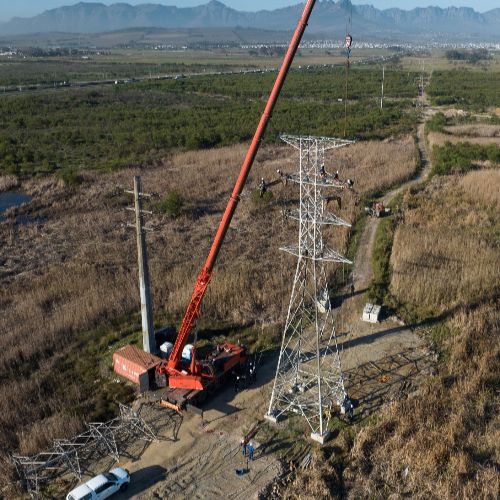
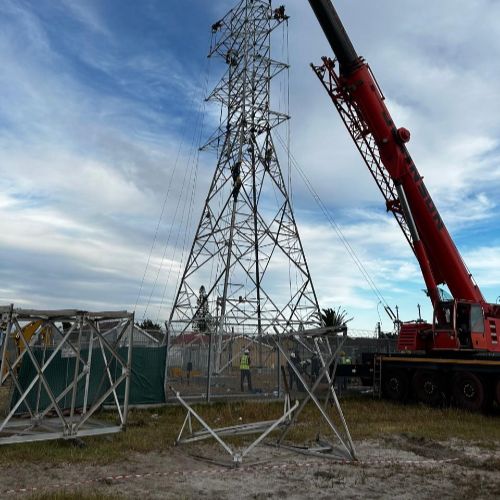
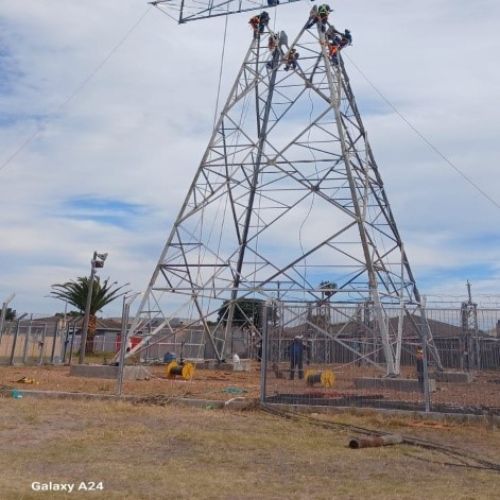
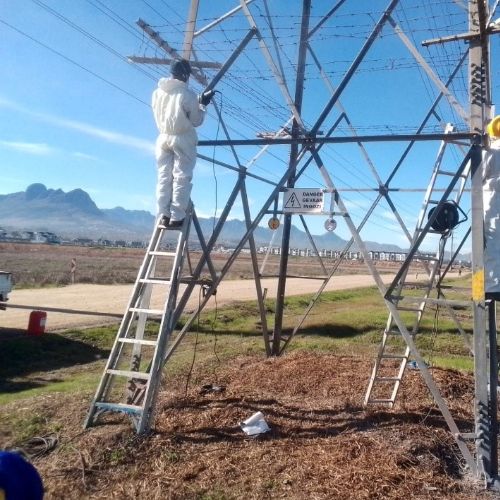
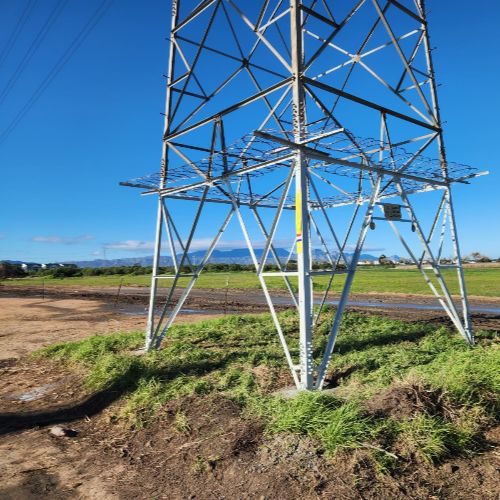
Structural Steel Replacements Where severe deterioration was detected, full section replacements were undertaken. Using original tower drawings gathered during investigations, new components were fabricated by approved manufacturers. The Waist, Arms, and Peak sections were fully assembled on site and lifted into position, often requiring the removal of stubborn and heavily corroded fasteners. Stringent quality control measures guided every step - from dismantling old sections, to installing new ones, to safely lowering and reinstating conductors and hardware. In addition, individual steel members identified for renewal were replaced in a controlled process, ensuring structural integrity while minimising disruption.
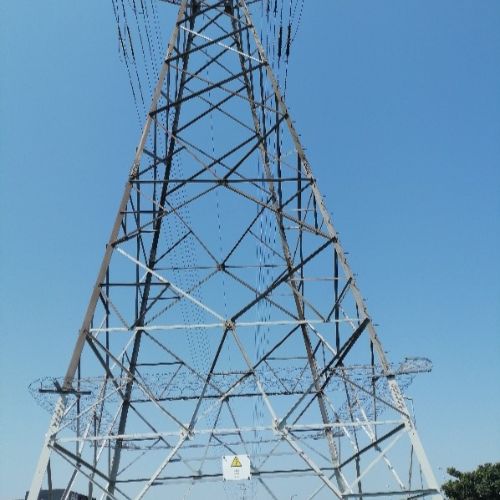
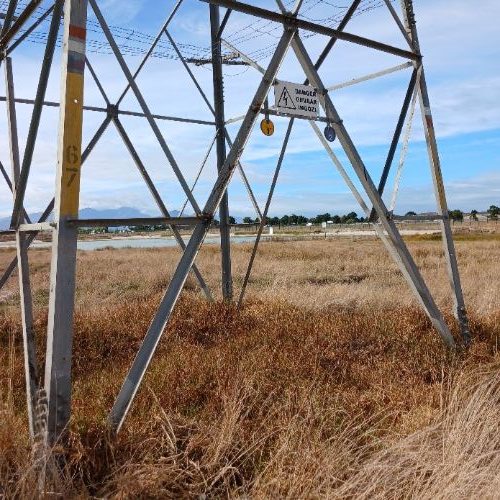
Tower Base Repairs To combat corrosion at the tower bases, existing coatings were stripped back to expose the steel surfaces. After thorough cleaning, a three-layer protective coating system was applied, significantly improving durability. Deteriorated and missing barbed wire and anti-climbing devices were also replaced with new razor wire and brackets, enhancing safety and ensuring compliance with current standard. Base repairs also included the testing and replacement of non-compliant and damaged tower earthing wires.
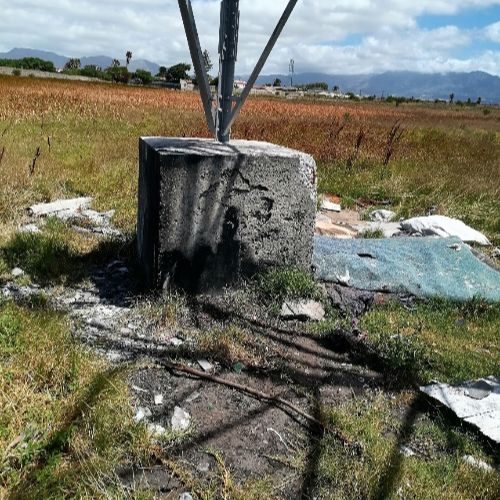
Concrete Spalling Repairs and Foundation Upgrades Where foundations displayed spalling, a comprehensive restoration process was applied: damaged areas were cut back, reinforcing steel was cleaned, treated with anti-corrosion coatings, and encased in high-performance repair mortars. Once cured, protective coatings were applied to prevent carbonation and water ingress, securing long-term durability. In addition, foundation upgrades were undertaken in low-lying, flood-prone areas. Enlarged foundations now provide additional protection to tower footings, safeguarding structures against water-related deterioration.
Refurbishment & Repair Of High Voltage Overhead Power Line Structures
Refurbishment & Repair Of High Voltage Overhead Power Line Structures
Refurbishment & Repair Of High Voltage Overhead Power Line Structures
Refurbishment & Repair Of High Voltage Overhead Power Line Structures
Refurbishment & Repair Of High Voltage Overhead Power Line Structures
Refurbishment & Repair Of High Voltage Overhead Power Line Structures
Refurbishment & Repair Of High Voltage Overhead Power Line Structures
Refurbishment & Repair Of High Voltage Overhead Power Line Structures
Refurbishment & Repair Of High Voltage Overhead Power Line Structures
Refurbishment & Repair Of High Voltage Overhead Power Line Structures
Refurbishment & Repair Of High Voltage Overhead Power Line Structures
Refurbishment & Repair Of High Voltage Overhead Power Line Structures
Refurbishment & Repair Of High Voltage Overhead Power Line Structures
Refurbishment & Repair Of High Voltage Overhead Power Line Structures