Projects
- Home
- Projects
Pretoria, Gauteng
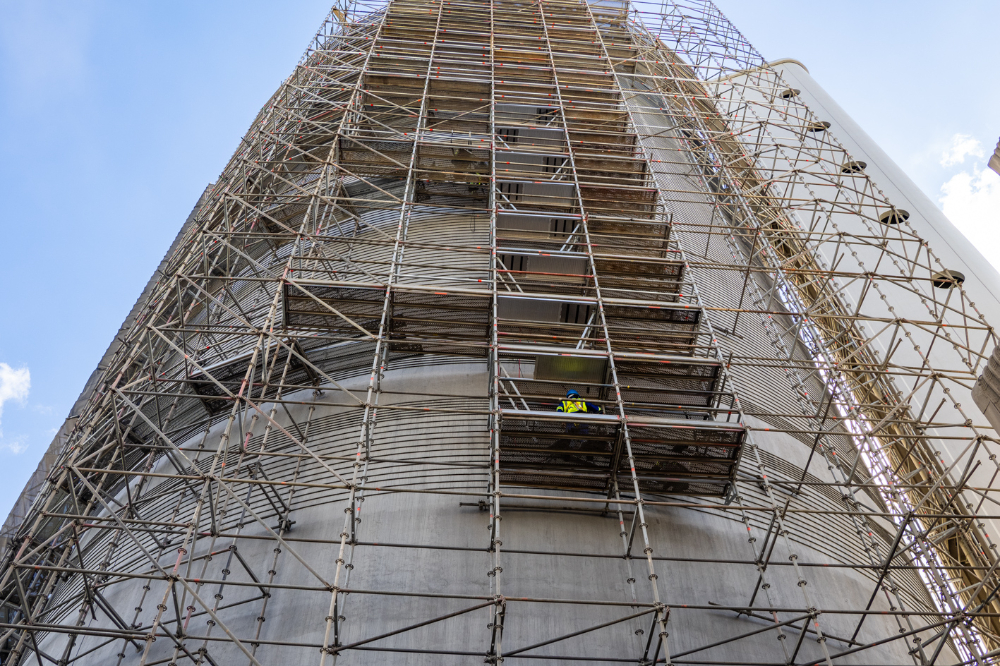
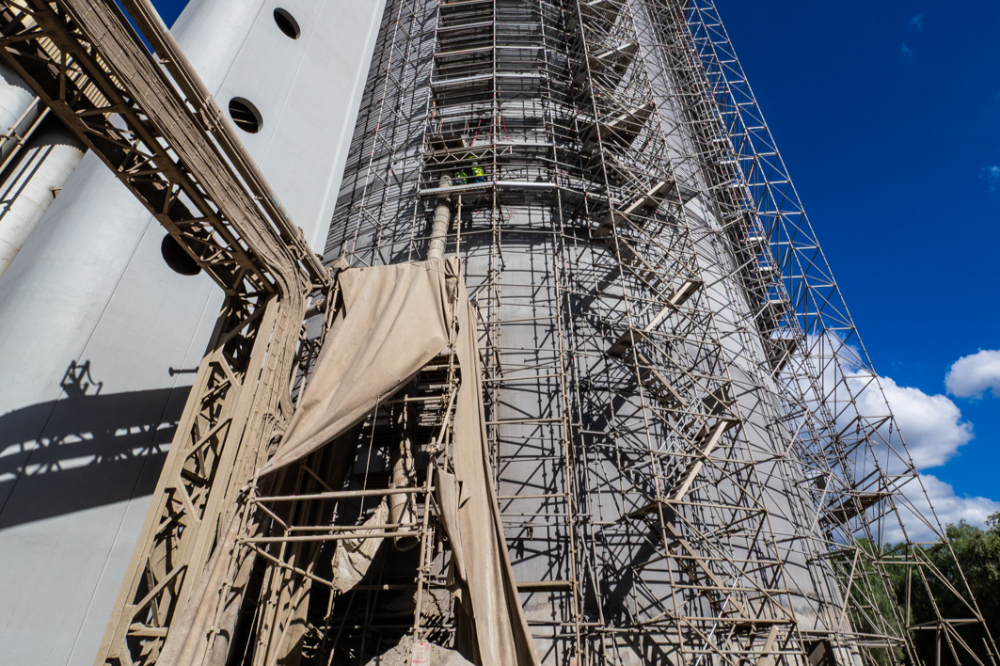
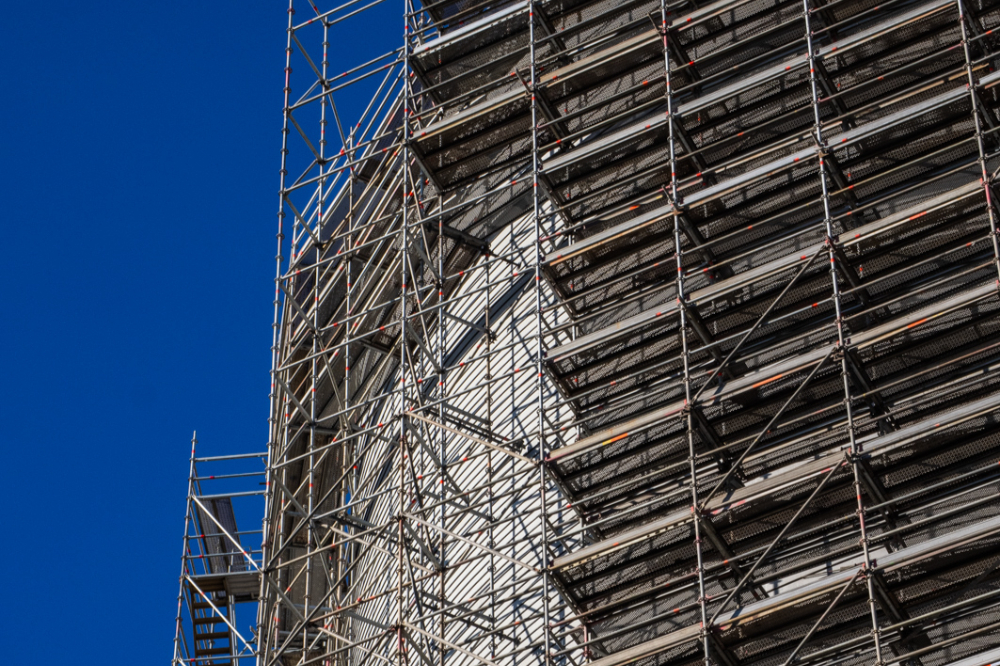
PPC Duo-Cell Silo Strengthening & Repair
- Client: PPC
- Consulting Engineers: Jones & Wagener
- Subcontractor: NW Kwena Scaffolding; Libra Plant Hire
- Duration: 29 July 2025 – 30 January 2026
- Contract Value: R26 Million
Project Overview
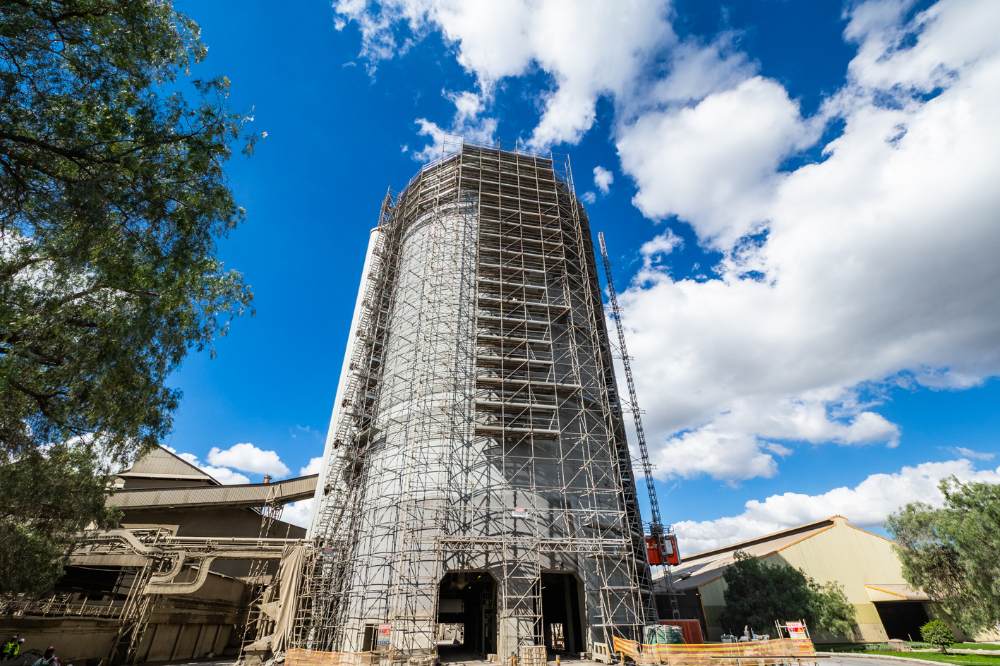
In June 2024, personnel at the PPC Hercules Plant identified vertical cracking in the outer wall of the duo-cell cement silo, which resulted in the leakage of cement fines. Following this discovery, PPC appointed a consulting engineer to conduct a detailed assessment of the structural condition and to recommend appropriate stabilisation measures.
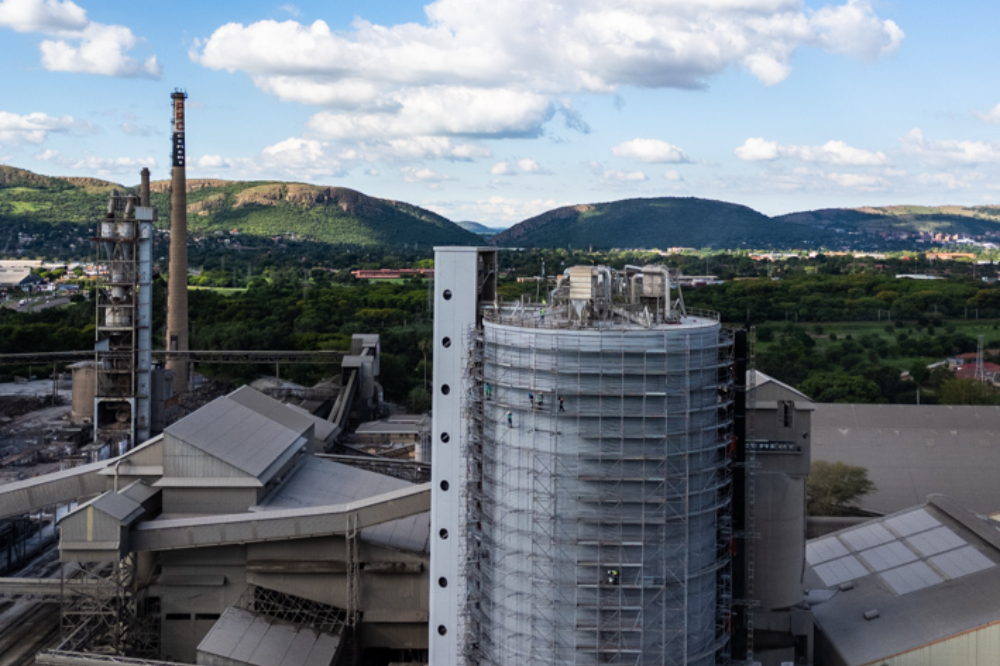
This report outlines the repair and strengthening works that were required for the outer wall of one duo-cell reinforced concrete silo at the PPC Hercules Plant.
Scope of Work
The scope of work included rehabilitation activities on the external faces of the affected wall, aimed at restoring the integrity, durability, and long-term performance of the structure. The proposed structural interventions were carried out in strict accordance with the approved technical specifications, engineering design requirements, and relevant industry standards. All repair and strengthening measures were designed to ensure a durable and comprehensive restoration of the silo, mitigating further deterioration and safeguarding operational reliability. As the main contractor, Smart Civils was responsible for the full execution of the works under the design and specifications of J & W, and in coordination with specialist suppliers, notably Sika South Africa.
-
Investigation
Crack identification and concrete defect assessment -
Accommodation of traffic
Crack injection and concrete repairs -
Coating
Application of primer and protective coating -
PT Cables
Installation and stressing of PT cables -
Waterproofing
Application of a waterproofing system to the silo roof
Project Challenges
-
Continuous Employer Operations
Ongoing 24/7 logistics truck movements within and around the plant made it challenging to effectively control traffic flow and prevent vehicles from encroaching on or destabilising the erected scaffolding structures. -
Unpredictable Rainfall and Severe Weather Conditions
Periodic thundershowers and heavy downpours resulted in the suspension of site activities on multiple occasions. In particular, all working-at-height activities on scaffolding were halted due to safety considerations. -
Sporadic Power Outages and Load-Shedding
Interruptions to the mains power supply, whether due to scheduled load-shedding or unplanned outages, adversely affected site operations and productivity at various stages of the project. -
Shared Use of the Alimak Elevator
Concurrent utilisation of the Alimak elevator by both the main contractor and subcontractors negatively impacted the efficient transportation of materials and personnel to designated work areas, contributing to delays. -
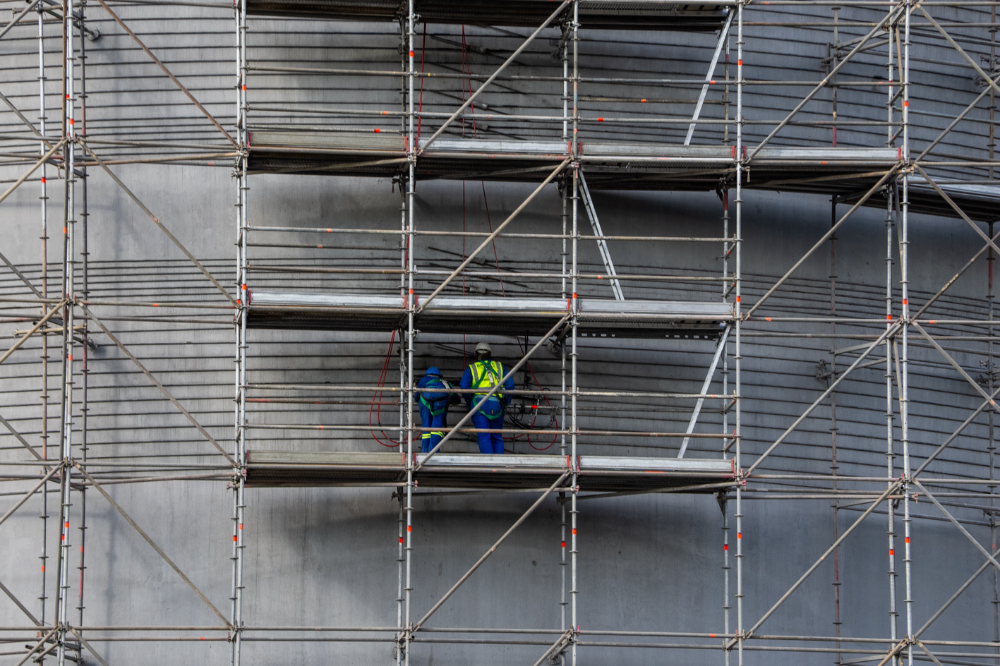
Working at Height Risks
The inherent risks associated with working at height during scaffold erection and related activities posed a significant fall hazard, with the potential for serious injury, work stoppages, and programme disruption.
Execution Highlights
Measures Implemented in Response to Site Constraints:
-
Non-Stop Operations by the Employer
To manage the risks associated with continuous operational activities by the employer, segregated truck routes were established using clear signage and physical barricading to prevent interface conflicts. Structural tying, bracing, and anchoring systems were designed and installed to withstand impact and lateral loads. In addition, site speed limits were implemented and enforced to enhance traffic safety within shared operational zones. -
Unpredictable Rainfall and Showers
In response to variable weather conditions, acceleration measures were incorporated where necessary to mitigate programme delays. Weather allowances were built into the construction programme to account for anticipated disruptions. Daily monitoring of weather forecasts enabled proactive planning and sequencing of activities. -
Sporadic Power Outages and Load-Shedding Periods
To mitigate the impact of power interruptions, acceleration measures were implemented where required to maintain programme targets. A generator was utilised as the primary source of power supply during outage periods. Adequate fuel reserves were maintained on site, supported by structured refuelling arrangements, to ensure continuity of operations. -
Sharing of the Alimak Elevator
To manage shared access to the Alimak elevator, structured time slots were allocated to different user groups to control demand and prevent congestion. Elevator usage was restricted to authorised and inducted personnel only. Transport rules were clearly communicated, with maximum load capacities and occupancy limits prominently displayed and strictly enforced. -
Working at Height
All scaffolding structures were erected by competent and certified personnel in accordance with approved design specifications. Formal handover certificates were issued prior to use, and routine inspections were conducted, including mandatory inspections following adverse weather conditions. The use of fall-arrest systems was compulsory for all personnel working at height.